Precision rubber seals for industry
Custom rubber seals and molded components, from material selection and drawing review to batch production.
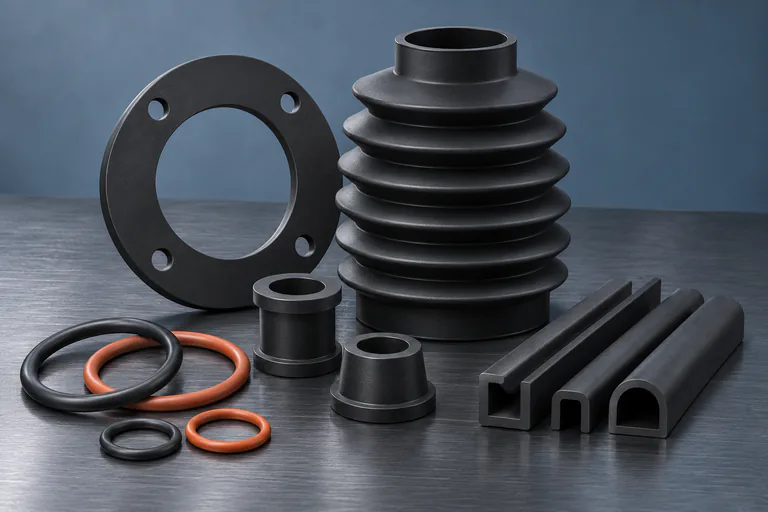
- Standard Tables
- AS568 / ISO 3601
- Core Elastomers
- NBR · EPDM · FKM · VMQ
- Delivery Scope
- Drawing → Tooling → Batch
Product Categories
Find a standard or custom sealing component for your design and sourcing project.
Product illustrations
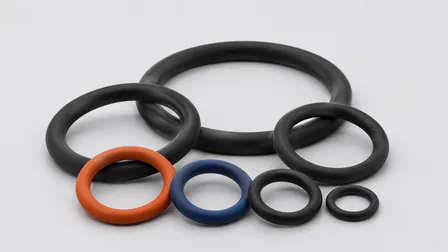
O-Rings
Standard AS568, ISO 3601, and custom ring seals.
ID × CS / AS568 / ISO 3601
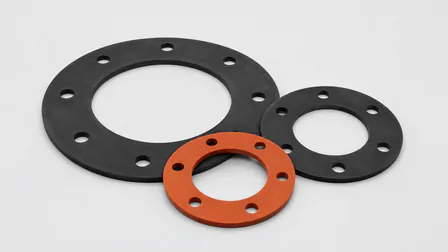
Gaskets
Flat gaskets, flange seals, and die-cut face seals.
OD × ID × Thickness / Bolt Pattern
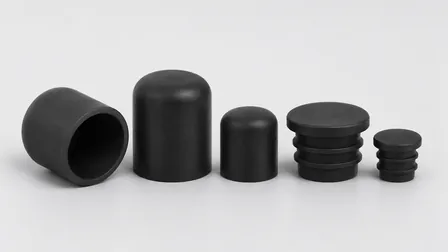
Rubber Caps & Plugs
Protective end caps and ribbed sealing plugs.
Port Size / Fit / Retention
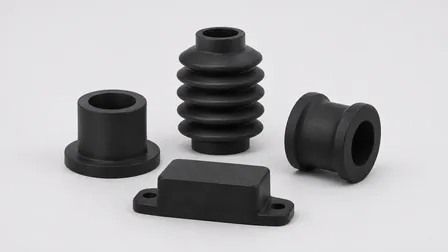
Molded Rubber Parts
Custom bellows, boots, grommets, and buffers.
Custom CAD / 2D & 3D Print
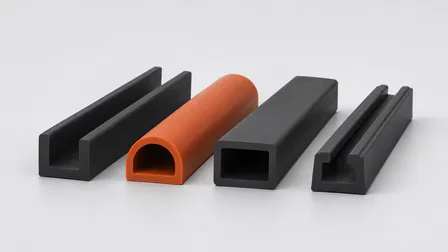
Rubber Extrusions
Continuous solid, hollow profiles, and seal strips.
Cross-Section / Cut or Coil
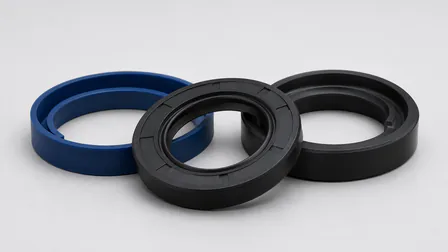
Specialized Seals
Rotary lip seals, U-cups, and custom dynamic profiles.
Housing / Shaft / Motion Profile
Material Options
Start from the base elastomer family and operating environment before confirming an exact grade.
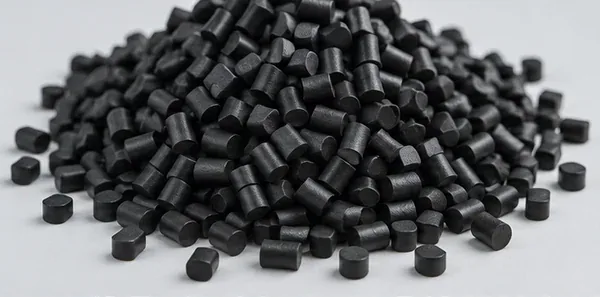
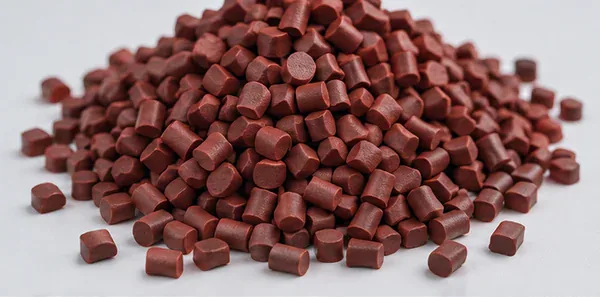
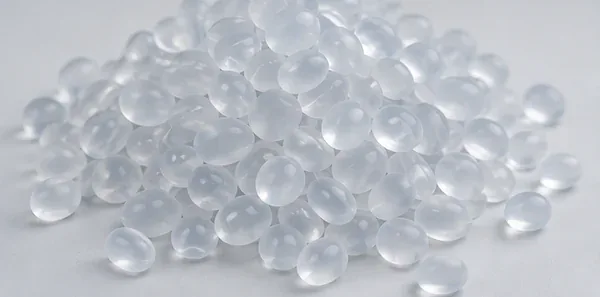
Illustrative material textures. Select by grade and service conditions.
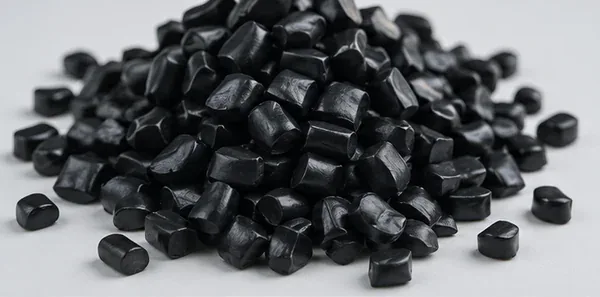 Oil & Hydraulic
Oil, fuel, and hydraulic fluid resistance for enclosed mechanical seals.
- Designation
- ASTM D1418: NBR
- Primary Media Focus
- Mineral oils, hydraulic fluids, fuels, and greases
 Weather & Steam
Weathering, UV, ozone, and water resistance for outdoor enclosures.
- Designation
- ASTM D1418: EPDM
- Primary Media Focus
- Water, steam, outdoor weather, UV, ozone, and polar fluids
 High Temp & Chemical
High-temperature and aggressive chemical or fuel resistance.
- Designation
- ASTM D1418: FKM
- Primary Media Focus
- Aggressive fuels, synthetic lubricants, process chemicals, and high heat
 Wide Temp Flex
Wide low- and high-temperature flexibility for static seals and caps.
- Designation
- ASTM D1418: VMQ
- Primary Media Focus
- Dry heat, cold flexibility, ozone, and clean static enclosure sealing
Application Industries
Review operating factors, environmental demands, and typical specification inputs by sector.
Illustrative application scenes

Automotive
Fluid routing, thermal cycling, and vibration protection.

Energy
Weatherproof enclosure gaskets and UV-resistant seals.

Semiconductor
Process-media compatibility and vacuum chamber sealing.
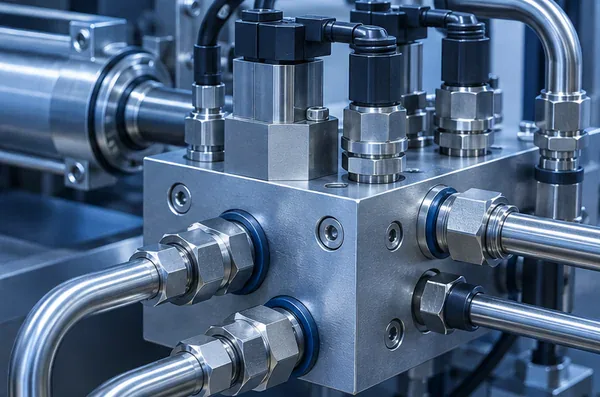
Industrial Equipment
Hydraulic manifolds, valves, pumps, and heavy machinery.
OEM / ODM Custom Manufacturing
A clear five-stage workflow from initial specification review through tooling, first-article samples, and scheduled batch delivery.
-
01
Part Requirements
Share part dimensions, drawings, operating media, temperature range, and target volume.
-
02
Engineering Review
Align compound selection, groove fit, tolerances, parting lines, and inspection criteria.
-
03
Tooling & Samples
Produce custom mold tooling or extrusion dies and run initial sample parts for evaluation.
-
04
Sample Approval
Verify critical dimensions, Shore A hardness, and assembly fit before volume release.
-
05
Production & Delivery
Transition approved parts into repeatable batch manufacturing and scheduled shipment.
Manufacturing & Quality Control
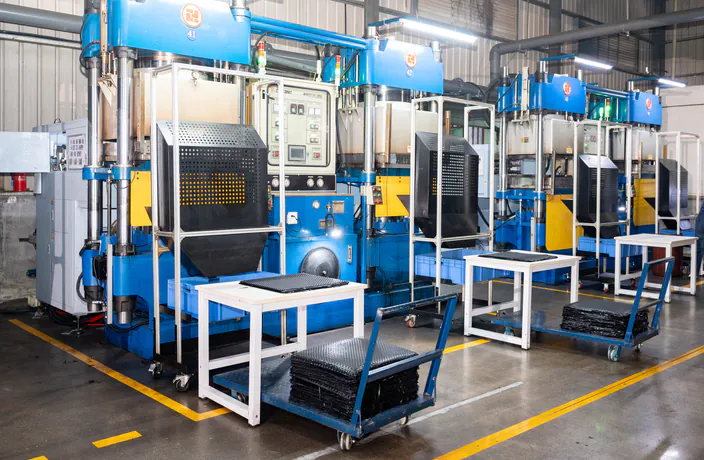
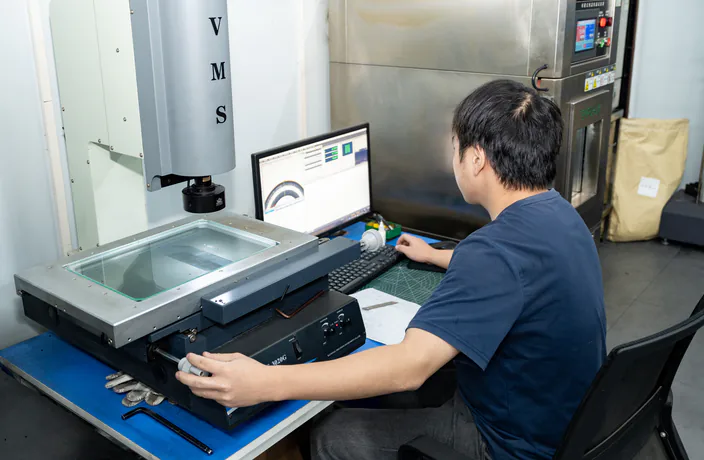
Dimensional tolerances, material documentation, and inspection checkpoints are confirmed upfront during engineering review so prototype and production parts follow the same standard.
- Tolerance and critical-feature alignment prior to tooling fabrication
- Dimensional measurement and compound verification matched to drawing requirements
- Confidential CAD files handled via direct email after initial RFQ alignment
Engineering Resources
Clear drawings and complete operating conditions shorten quoting turnaround and prevent costly tooling revisions. Use these practical checklists when preparing an RFQ.
Browse all guidesSend Your Specifications or Request a Quote
Build a structured RFQ draft in seconds with your part category, operating conditions, and target volume. Keep confidential CAD drawings ready for direct email follow-up.